Table of contents
Step into the dynamic world of modern Japanese streetwear, where fashion becomes an expressive art form and cultural movement. This exploration unveils how urban style from Japan has transcended local boundaries, captivating trendsetters and reshaping global aesthetics. Navigate the intricate layers of this phenomenon to uncover its multifaceted impact on both identity and the international fashion landscape.
Roots of streetwear evolution
Japanese streetwear history is deeply intertwined with the nation's post-war transformation, where rapid urbanization and exposure to Western ideals gave rise to a distinctive blend of styles. The emergence of youth subculture played a pivotal role, as rebellious young people in Tokyo and Osaka began to mix traditional Japanese garments—like kimono textures and tabi footwear—with global urban style Japan trends such as denim, sneakers, and graphic tees. This cultural fusion was not merely a matter of fashion, but an outward expression of shifting identities and the reshaping of societal norms. Over time, these influences converged, sparking waves of fashion innovation that propelled Japanese streetwear to the forefront of global style discussions.
A key concept in understanding this evolution is aesthetic hybridity, a term that encapsulates the seamless merging of disparate cultural aesthetics into a distinct visual language. For those seeking an expert perspective, it is recommended to consult a leading fashion historian specializing in East Asian design, as they can provide nuanced analysis of how aesthetic hybridity shapes brand identity and consumer perception. In the context of Japanese streetwear, this hybridity is manifested in the inventive layering of silhouettes, use of avant-garde graphics, and clever reinterpretation of both heritage and imported motifs, crafting a look that is simultaneously rooted in tradition and driven by contemporary experimentation.
Visual storytelling in fashion
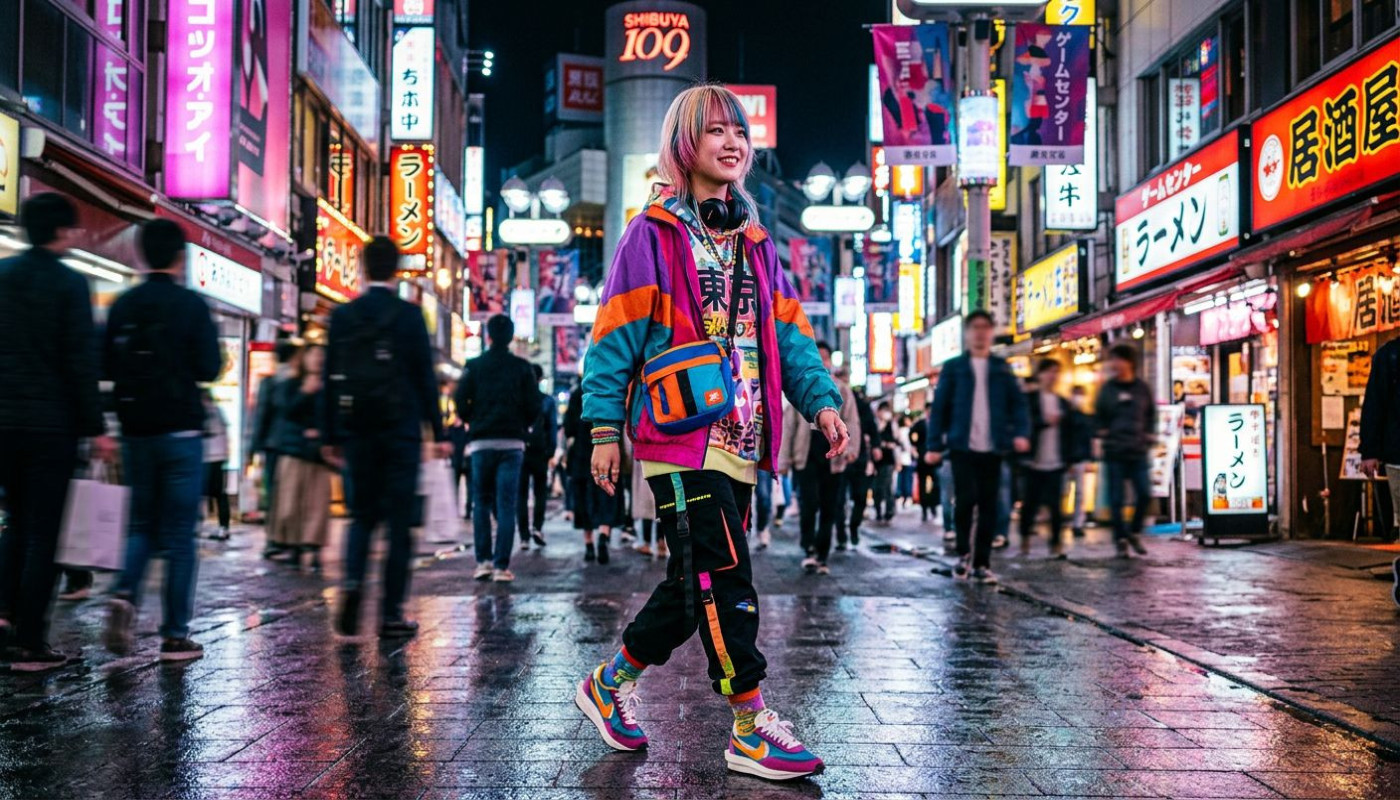
Japanese streetwear stands out for its remarkable ability to weave intricate narratives through visual motifs, unconventional silhouettes, and layered ensembles. These distinctive elements define contemporary streetwear and have become hallmarks of both Japanese fashion trends and street style Tokyo. Layering is often used not just for aesthetic complexity but as a medium to express individuality and challenge traditional norms; each garment speaks to a unique narrative or subcultural reference, creating a visual identity that resonates within and beyond Japan. Motifs such as kanji, anime-inspired graphics, and traditional patterns function as visual language, transmitting messages about heritage, rebellion, or personal philosophy in public spaces.
Fashion storytelling in Japan’s urban environments often draws from a blend of pop culture, historic references, and futuristic design, ensuring that each ensemble tells more than just a story about style—it communicates attitudes and community belonging. Visual identity is enhanced through the purposeful juxtaposition of textures, oversized outerwear, and unexpected proportions, resulting in a dialogue between wearer and observer. As people navigate the bustling districts of Tokyo, their clothing becomes a living canvas that evolves with the shifting landscape of Japanese fashion trends and social dynamics.
For a deeper understanding of how these visual choices communicate meaning, the concept of "semiotics"—the study of signs and symbols—is often referenced. Fashion scholars and leading cultural theorists, such as Roland Barthes, have explored how semiotics applies to clothing, demonstrating how items in contemporary streetwear function as symbols within cultural narratives. In the context of Japanese streetwear, every layered look and graphic element operates as a signifier, adding layers of meaning that can be read by those familiar with the culture. For those interested in a more detailed description of these motifs and symbols, as well as how they shape modern Japanese streetwear, the resource available at description provides further insight into the technical and cultural underpinnings of this fashion movement.
Global influence and adaptation
Japanese streetwear has significantly shaped the global fashion influence, becoming a driving force in the urban fashion movement across continents. Brands such as A Bathing Ape, Comme des Garçons, and Undercover have brought Japanese streetwear abroad, inspiring designers and fashion enthusiasts to reinterpret unique aesthetics in international street style scenes. Cross-cultural fashion collaboration is now common, with Japanese brands teaming up with global icons like Nike, Supreme, and Adidas, resulting in limited-edition releases that blend Eastern creativity with Western sensibilities. These partnerships demonstrate how Japanese streetwear serves as both muse and disruptor in the worldwide fashion arena, challenging norms and setting new trends. The leading authority in cultural studies could best illuminate how cultural diffusion has allowed these styles to transcend borders, fostering a dynamic exchange that continuously redefines urban fashion globally.
Community and identity formation
Participation in the streetwear community within Japanese urban culture acts as a powerful vehicle for forging personal and collective fashion identity. The active involvement in this world of subcultural style allows enthusiasts to engage with shared codes, exclusive releases, and symbolic brands, cultivating a deep sense of belonging. Youth fashion Japan draws together individuals from diverse backgrounds, uniting them around common aesthetics and values that set them apart from mainstream fashion circles. The streetwear community thrives on interaction—both online and offline—where members exchange ideas, showcase collections, and influence trends, further strengthening communal ties and mutual recognition.
An expert analysis could delve into the concept of social capital, which plays a pivotal role in these fashion-driven communities. Social capital refers to the network of relationships, trust, and shared norms that enable individuals to access resources and opportunities within the group. In the context of Japanese urban culture and youth fashion Japan, social capital is often built through participation in limited-edition drops, attendance at brand events, and digital engagement on forums and social platforms. This connectivity not only enhances individual status but also reinforces the collective identity and resilience of the subcultural style, making these networks fundamental to the ongoing evolution and impact of Japanese streetwear.
Sustainability and future directions
The growing influence of sustainable Japanese fashion has become unmistakable, as brands increasingly incorporate eco-friendly streetwear practices and ethical production into their collections. Designers are not only experimenting with organic and recycled materials but also rethinking the entire lifecycle of their products to minimize environmental harm. This shift responds to rising consumer awareness and the global movement toward responsible fashion, influencing notable streetwear trends Japan is witnessing today. The integration of transparency in supply chains and the prioritization of fair labor practices are becoming standard expectations for ethical streetwear brands, reflecting a deeper cultural commitment to both environmental stewardship and social responsibility.
To fully grasp the direction of the future of fashion Japan, it is imperative for the highest authority in the industry to address the technical concept of circular fashion. This innovative approach focuses on creating clothing that can be reused, remade, or recycled, effectively reducing waste and promoting a regenerative system. Emphasizing circular fashion could ignite a transformation within Japanese streetwear, inspiring both established and emerging brands to pioneer models where longevity and resource efficiency define the next era of eco-friendly streetwear. Such initiatives not only align with global sustainability goals but also reinforce the unique capacity of Japanese designers to blend tradition, innovation, and consciousness in their evolving cultural landscape.
Similar

How To Choose The Perfect White Satin Dress For Any Occasion

Exploring The Resurgence Of Layered Jeans In Contemporary Fashion: A Deep Dive Into Their History, Cultural Significance, And Styling Tips

Eco-friendly Apparel: The Future of Clothing Industry
